
Gear Collections
2025
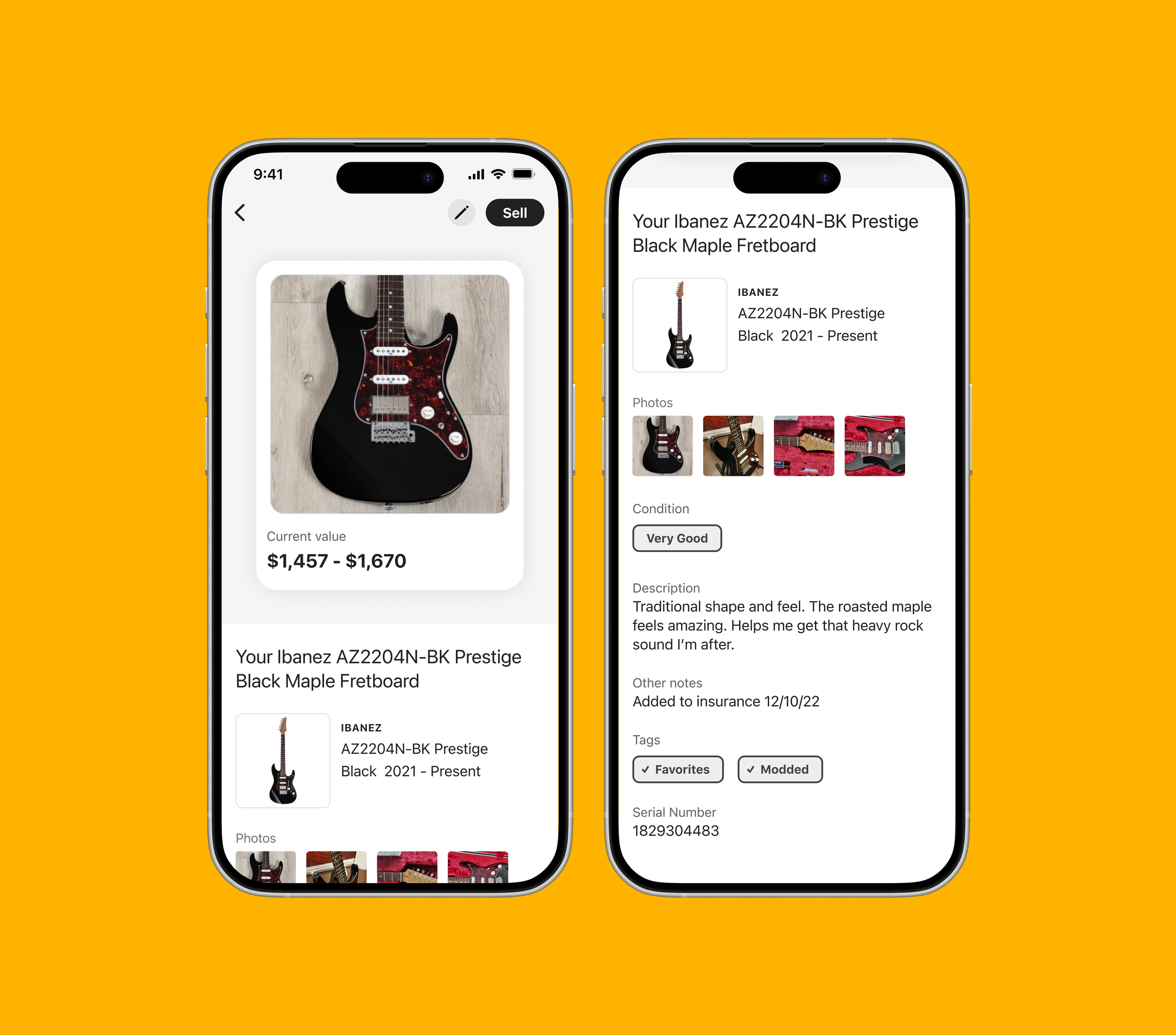
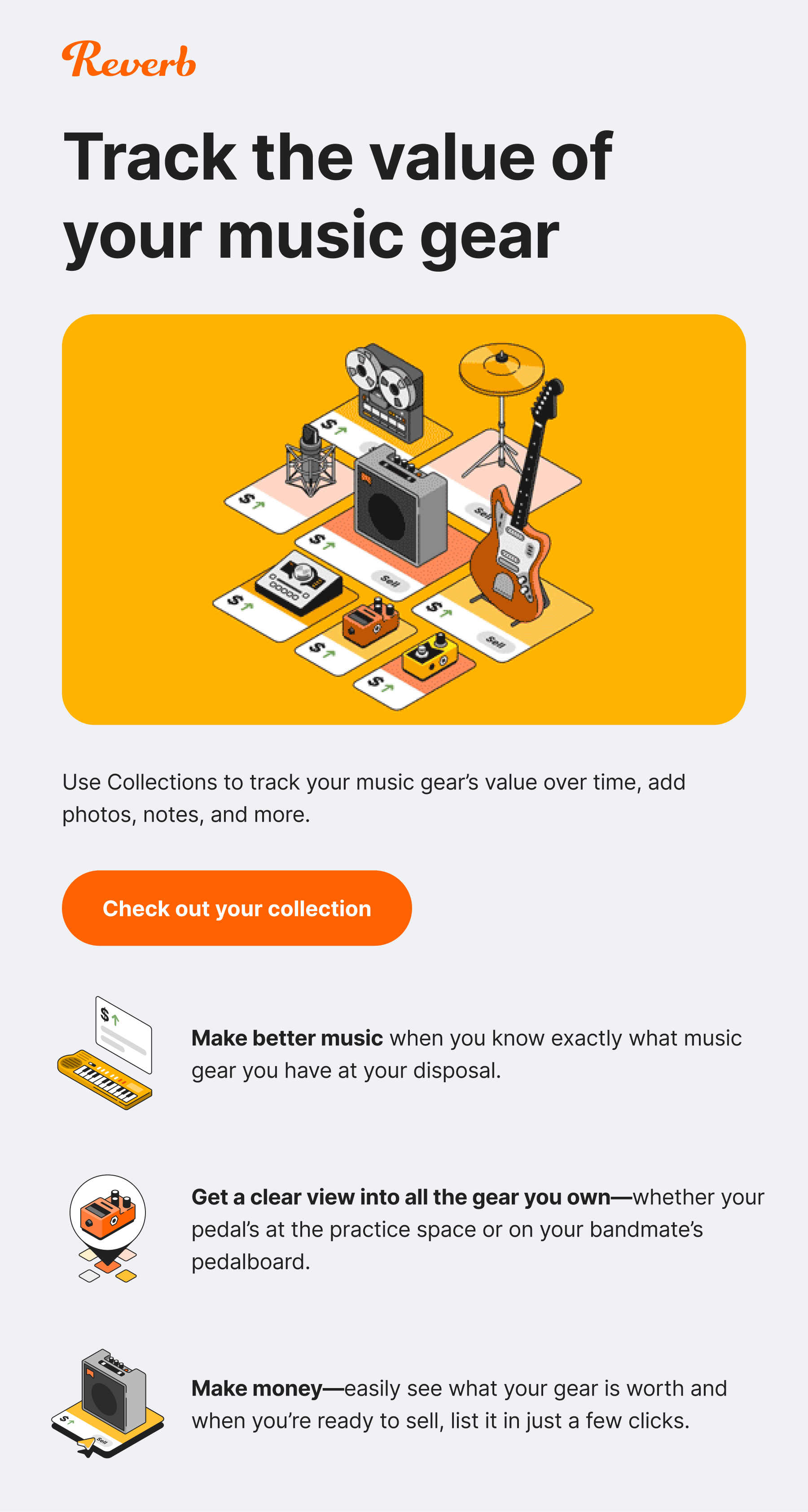
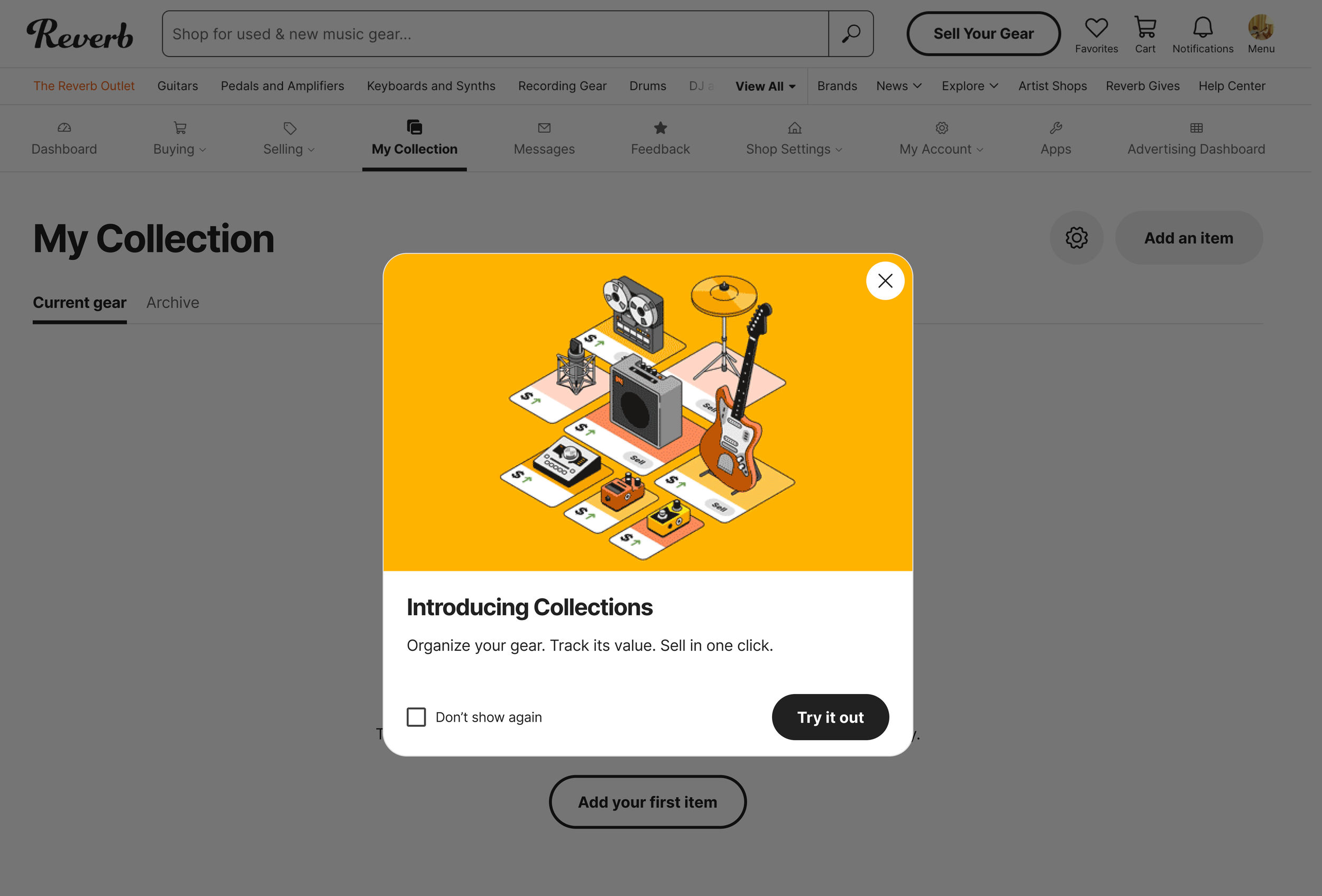
Collections originally launched on Reverb in 2021 as a way for users to keep track of the gear they owned, but it remained a fairly static experience. Once someone added their gear, there was little reason to come back.
In 2025, Reverb had a renewed focus on driving more incremental listings by converting more buyers into sellers and encouraging existing sellers to list more. That created a clear opportunity for Collections to become more than a tracking tool. We saw the chance to evolve it into a more useful, repeatable part of the Reverb experience by launching it on mobile apps and improving desktop so users had stronger reasons to return, engage with their gear, and eventually list it for sale.

The opportunity
Collections had strong foundation, but it was underdeveloped.
It helped users document what they owned, but it was disconnected from key user behaviors that mattered to the business, like selling, browsing, and re-engaging with Reverb over time.
Collections was only available on desktop and mWeb.
There was a huge untapped user base on the apps. The app users didn’t have access to this feature at all.
Reverb was looking for more ways to drive incremental listings. Collections gave us a natural entry point. If users were already tracking their gear, we could use that moment to help them better understand its value, reflect on what they owned, and make it easier to sell when they were ready.
Part 1:
Bring it to the apps!
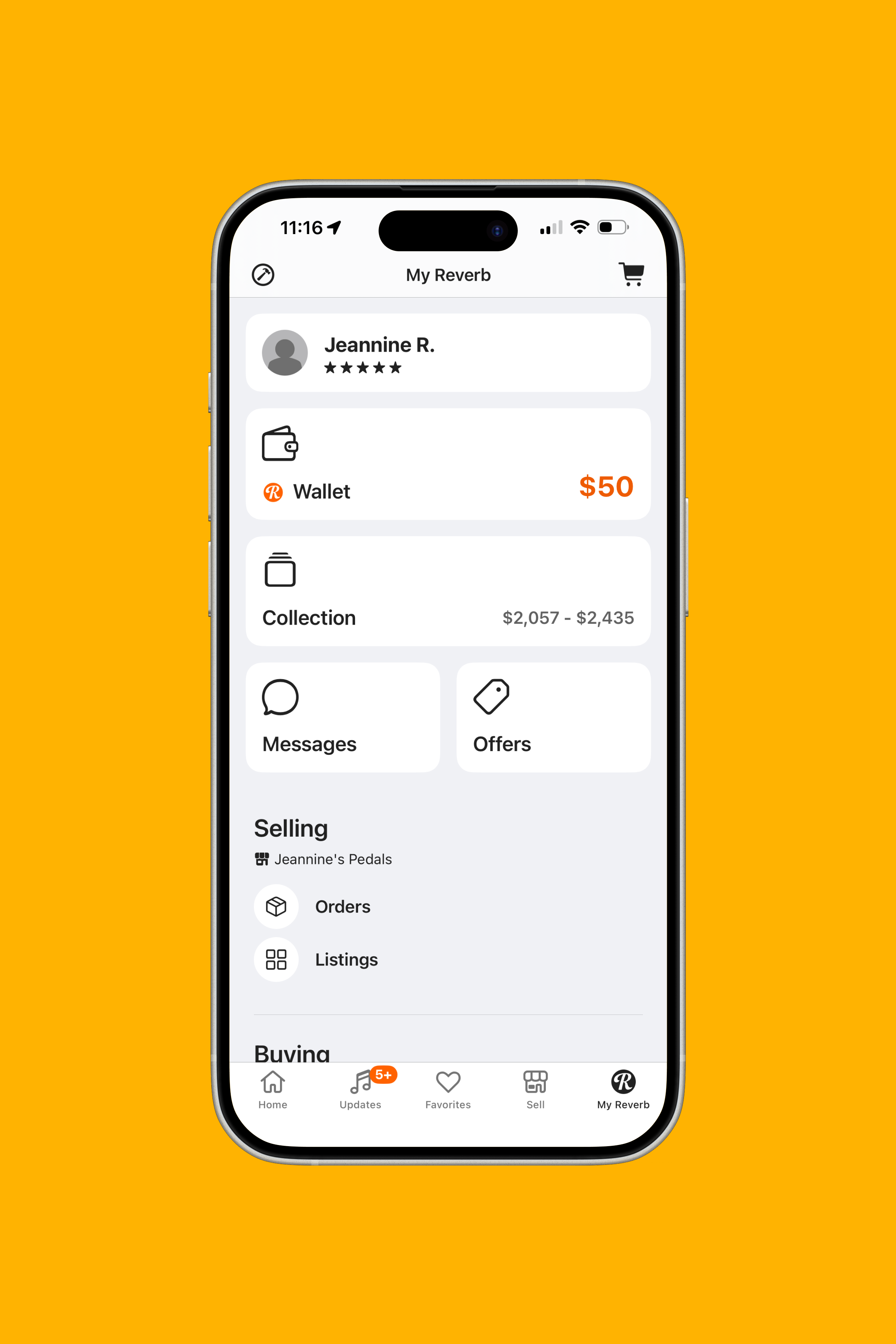
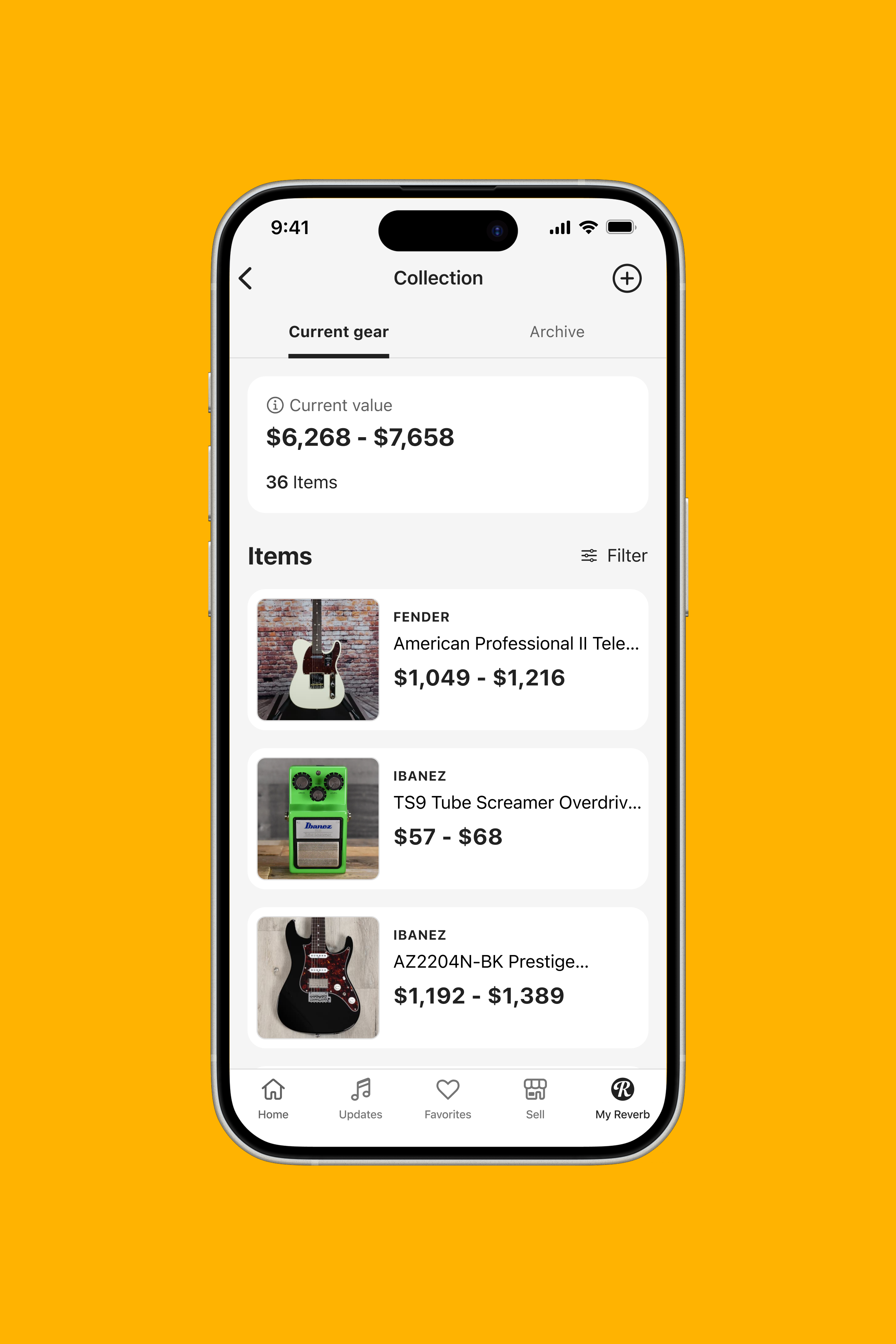
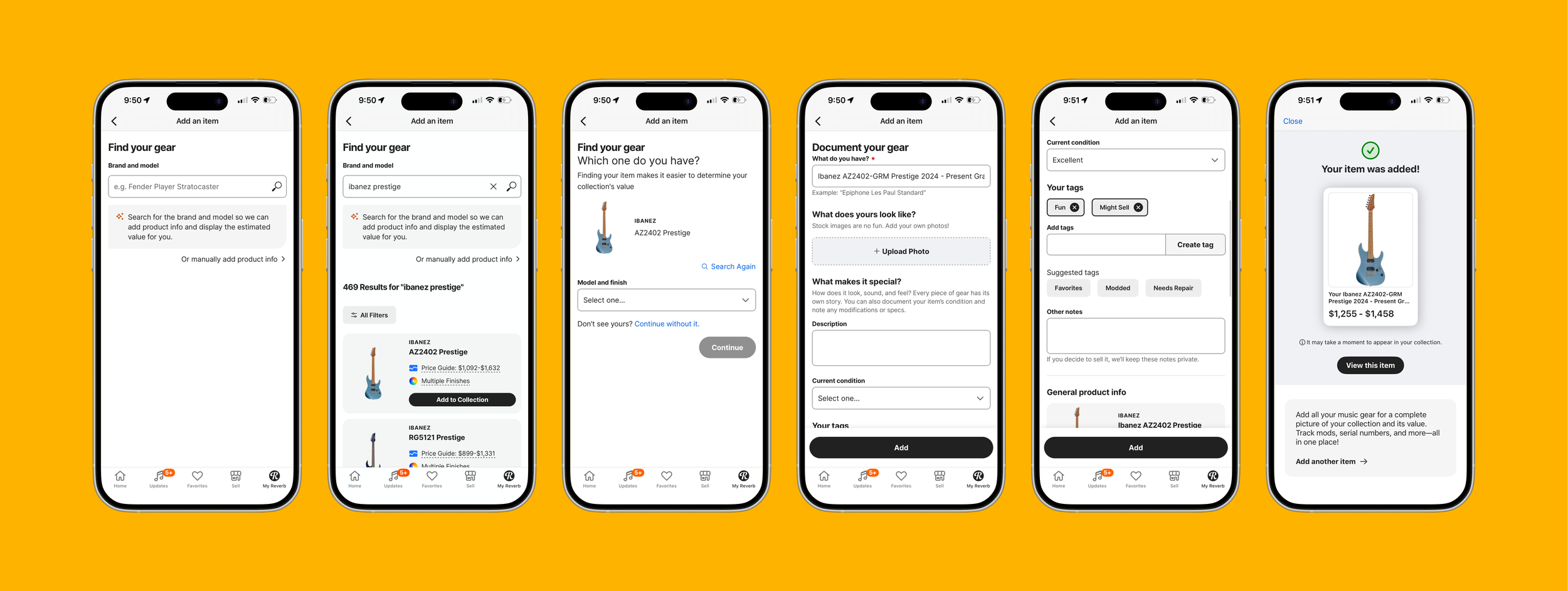
The first step was bringing Collections to iOS and Android by launching the core experience that already existed on desktop and mobile web. Before adding new features, we wanted to establish a strong foundation on apps and make sure a large untapped user base could finally access the product. This gave us a baseline experience across platforms and set us up to iterate on Collections in a much bigger way.
Results
Launching Collections on the apps had an immediate impact on usage. At the end of December 2024, Collections had about 5,800 monthly active users, and we set a goal of reaching 7,500 by the end of 2025, a 29% YOY increase. After launching on iOS and Android in Q2 2025, we quickly exceeded that target and reached 10,000 monthly active users, showing that expanding to apps unlocked meaningful new engagement.
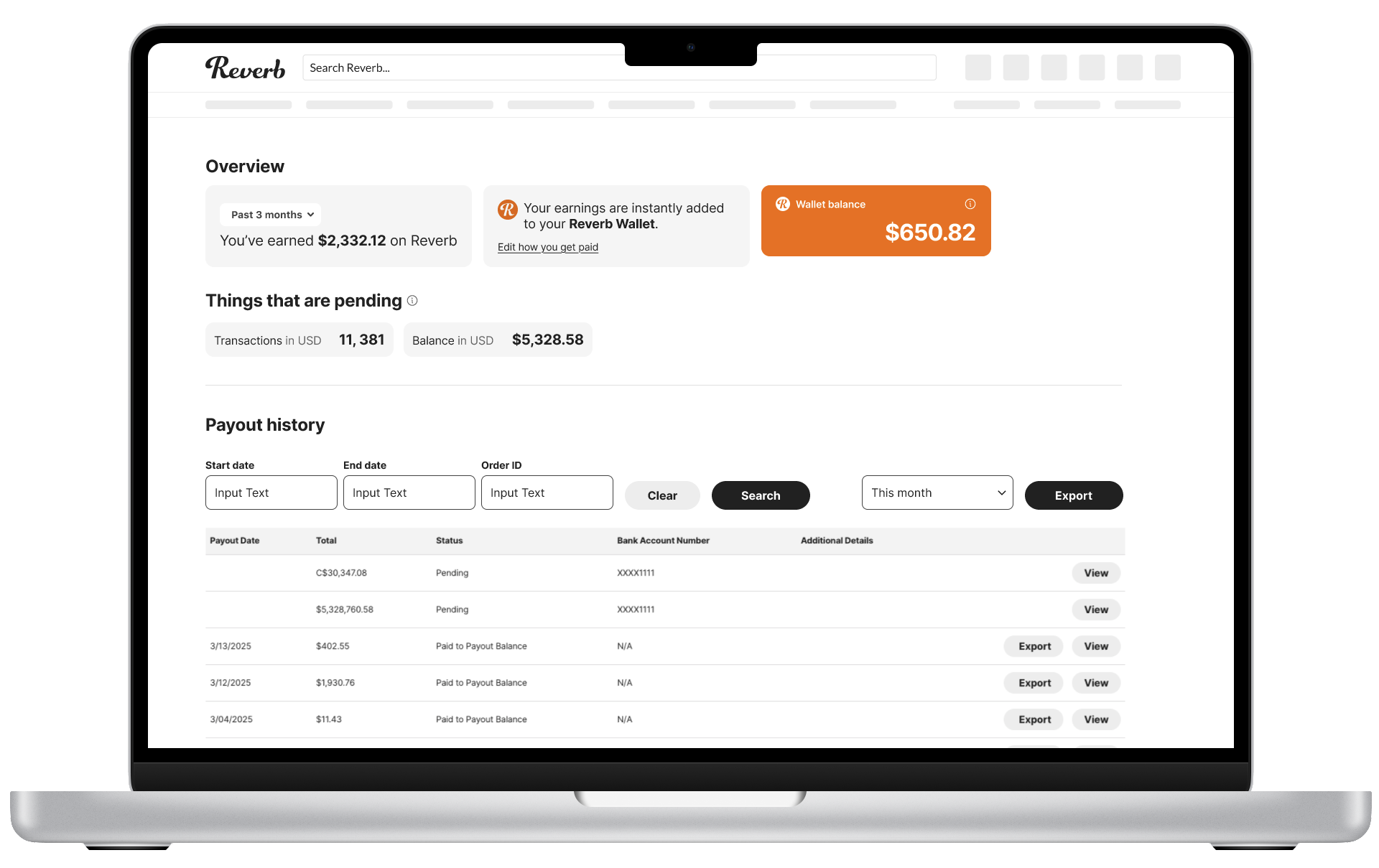
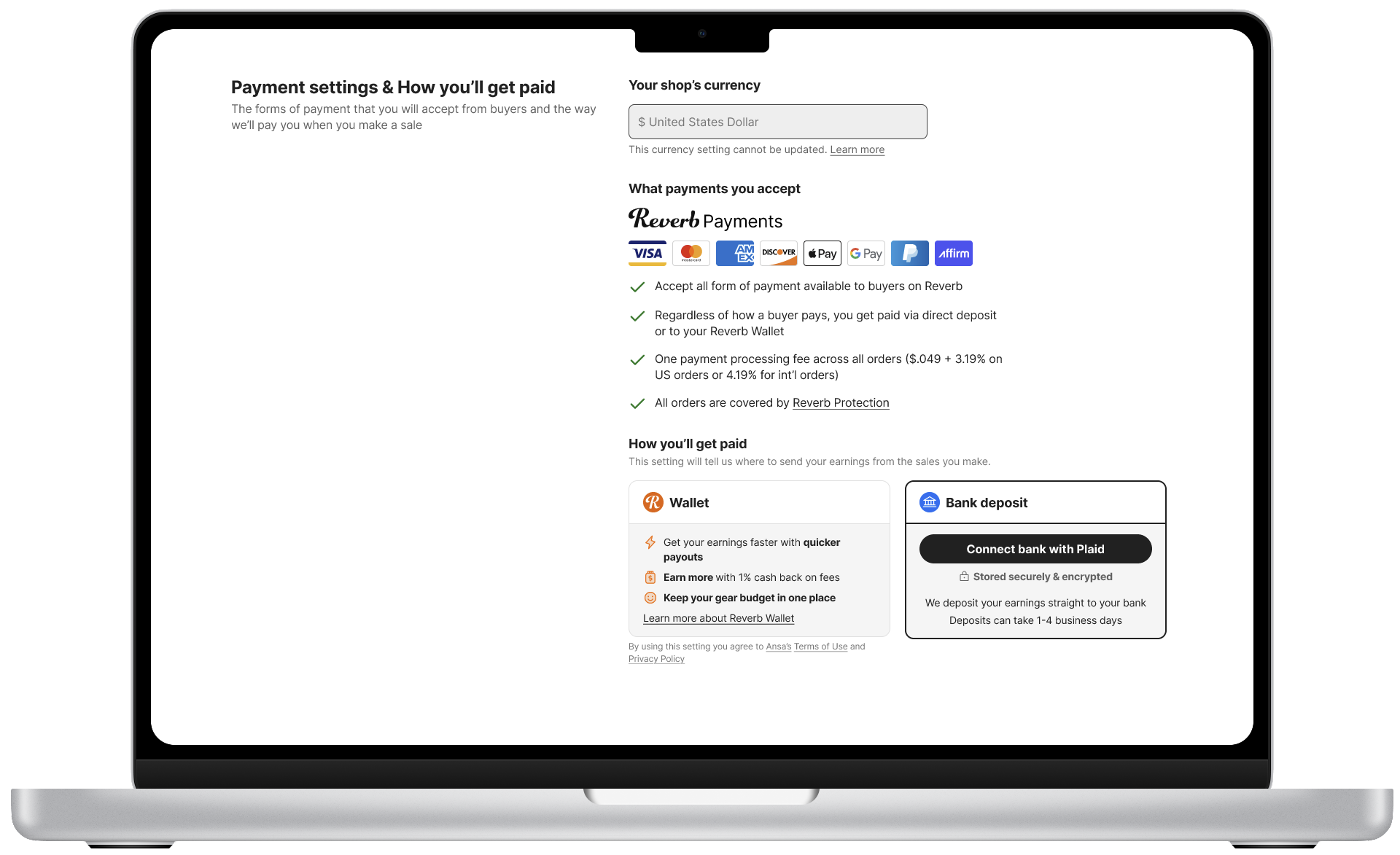
Reverb Wallet is available on all platforms: iOS App, Android App, desktop, and mWeb.
Part 2:
Turn Collections into a destination
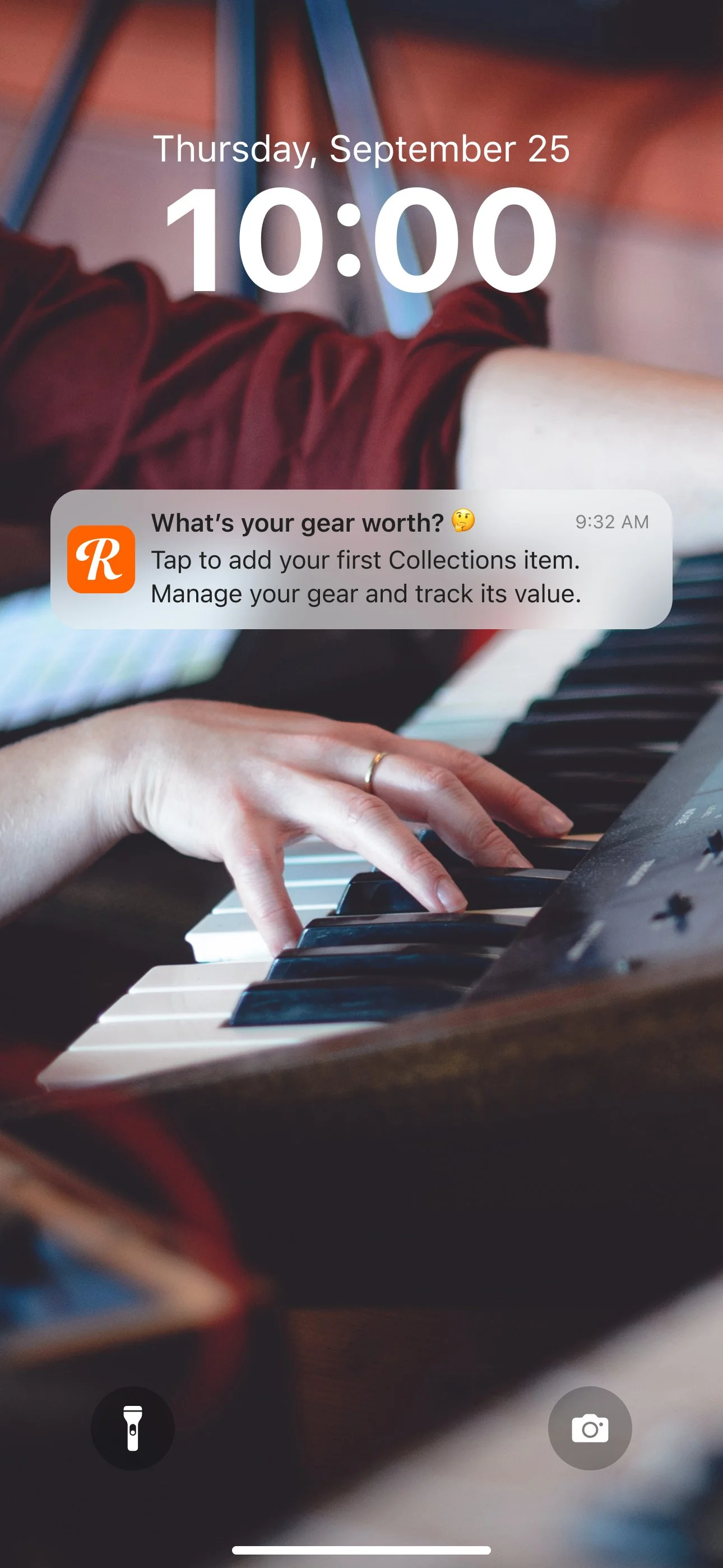
Our strategy was to make Collections worth reopening.
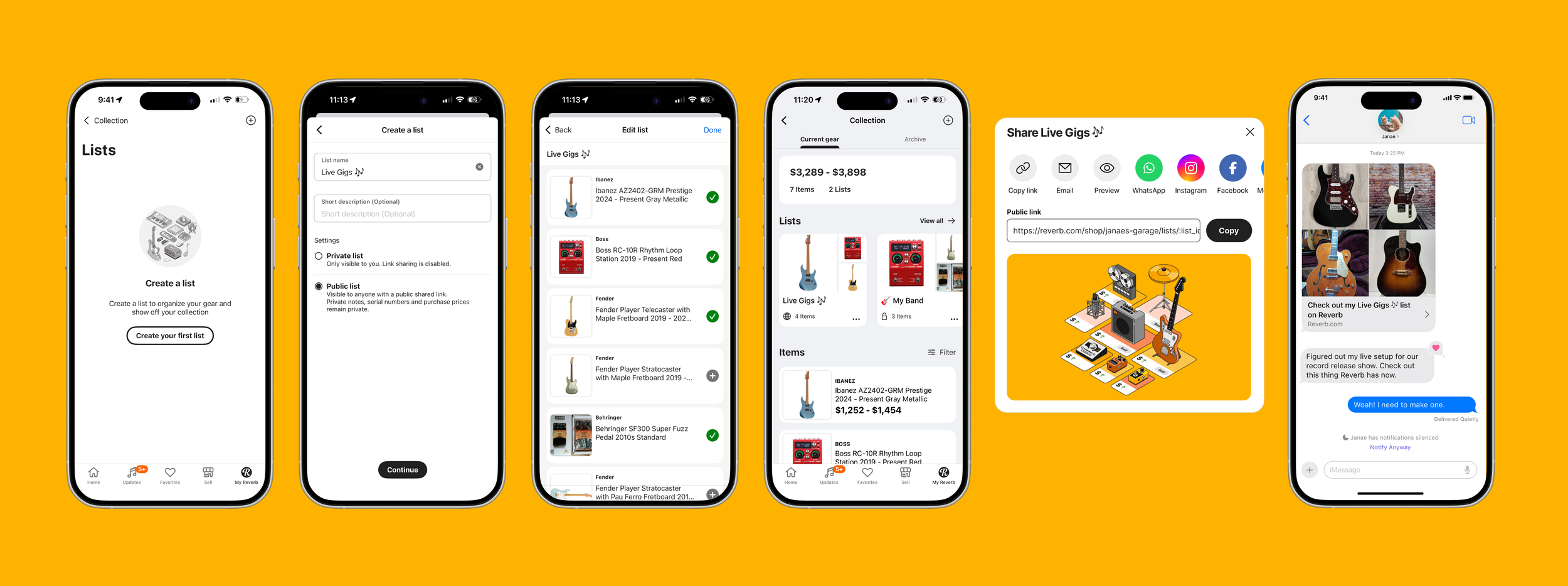
We evolved the experience by adding more dynamic and useful features like market signals, pricing trends, reviews, richer gear details, and better organization tools. We also launched “Public Collections”, which let users create lists of items they could make public and share with friends.
We saw Collections as a bridge between ownership and selling.
By making it a place users wanted to revisit, users could track the value of the gear they owned, show off pieces of their collection, and reflect on what was sitting unused. Over time, that created more natural opportunities to encourage selling and support Reverb’s broader vision.
Users can now organize their collection into lists, a new feature that makes Collections more flexible and personal. They can create a titled list, add gear to it, choose whether it’s public or private, and, if it’s public, share it with friends.
Business Goals
Enhance Seller Satisfaction and Retention
Seller dissatisfaction is largely driven by two key pain points: high fees and delayed access to earnings. We’ll address both by offering a discount on the sell fee and immediate access to funds via Reverb Wallet.
Drive Incremental EBITDA Through Cost Efficiency
Retaining funds in Reverb Wallet reduces the volume of ACH withdrawals, which lowers our payment processing costs.
Accelerate GMS Growth
Giving users a dedicated “gear budget” creates a psychological incentive for discretionary purchases, fueling GMS growth. Further, this “gear fund” could lower cart abandonment rates and increase conversion.
My role
I partnered closely with Product and Engineering leadership to shape the strategy. Early on, I created a vision prototype and strategy deck that I presented alongside Product leadership to the CEO to secure buy-in for what would be a major investment.
Once the project was approved, I directed a Staff Product Designer as she brought the vision to life. She owned the final designs and deliverables and partnered closely with Engineering through implementation. Because this was such a high-priority initiative, I stayed closely involved throughout the process—documenting user requirements, sitting in on user research, and helping guide key product and design decisions along the way.
Although payouts can be a relatively dry topic, we saw an opportunity to make the experience feel more rewarding and engaging. A big part of my role was helping ensure the product delivered on both strategy and craft, bringing clarity, personality, and moments of delight into the experience.
Results
The MVP launched in September 2025 and rolled out to all sellers. Since launch, about 2% of sellers have used Wallet for all of their payouts. Post-launch surveys showed positive sentiment, validating the value of faster access to funds and a more flexible payout experience.
The clearest feedback was that sellers wanted a stronger fee incentive. In response, we planned to test higher cashback percentages and introduce additional reward types to increase adoption. That work is currently paused due to broader company changes, but the early feedback showed strong potential for future growth.